

World Fashion League
000
Loading

Journal

News, notes and industry reading.

What we are seeing across trading floors, production units and runways — written for people who have to make decisions with it.

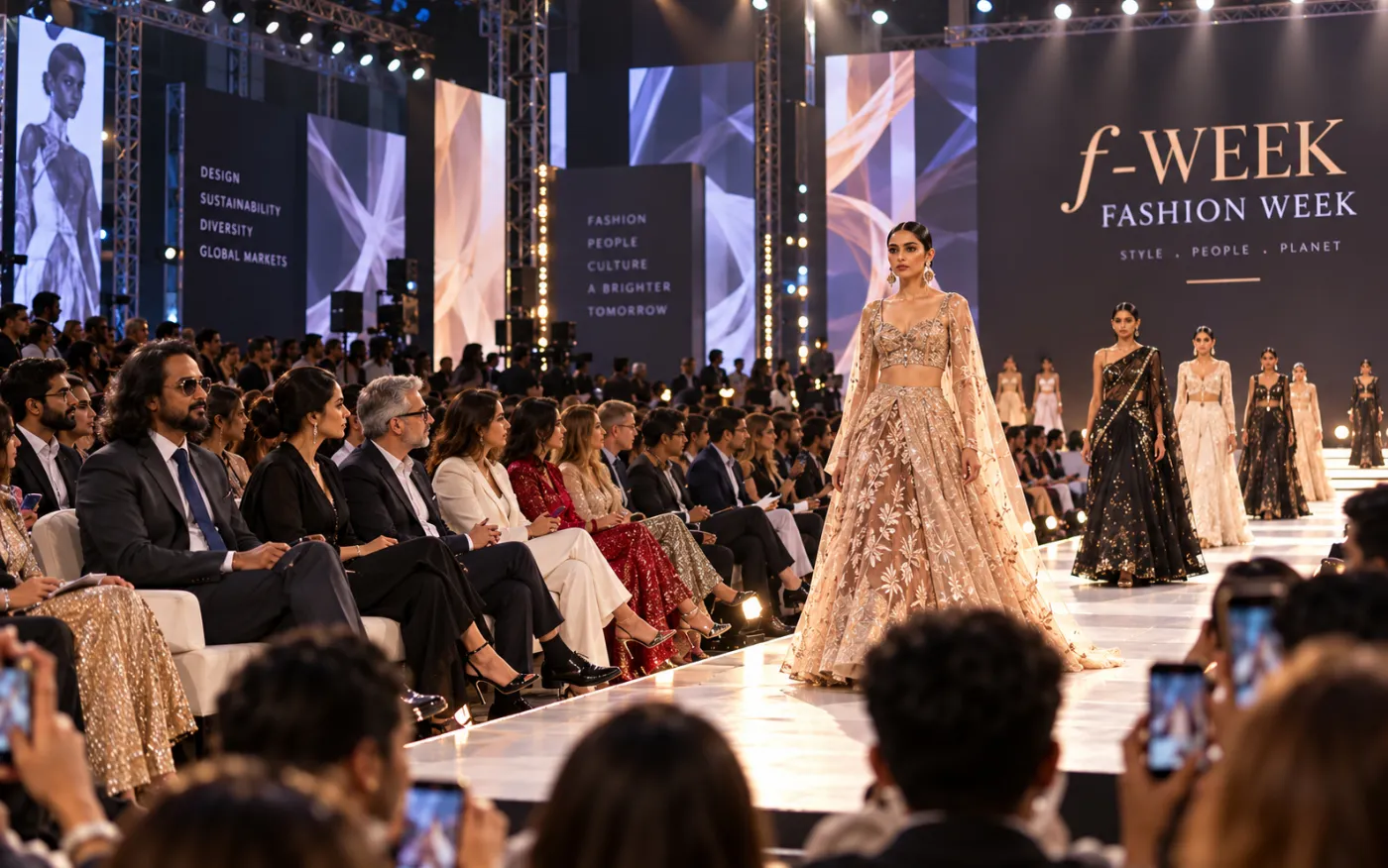
Front row and runway at a fashion week show
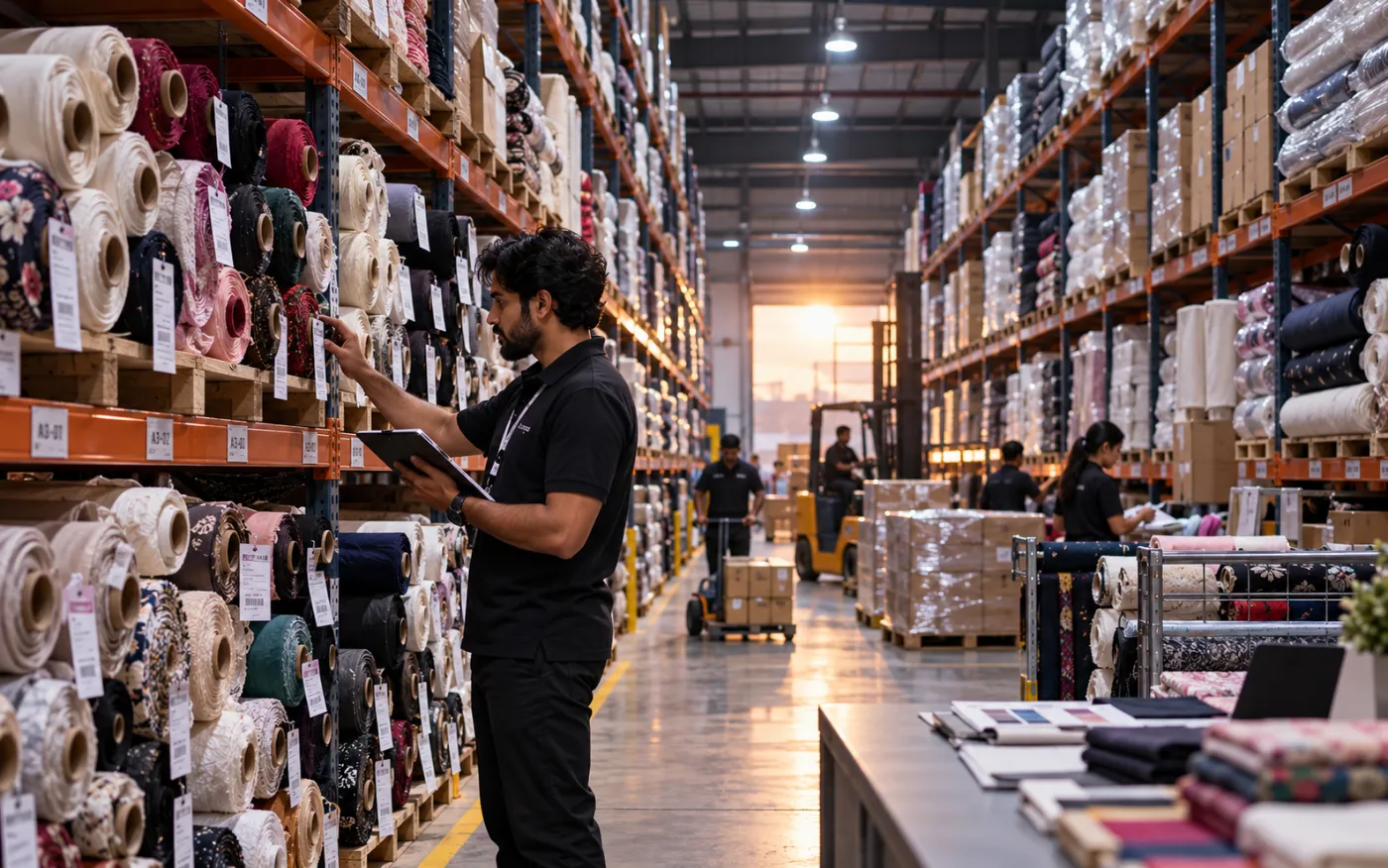
Fabric rolls and trade documents in a sourcing warehouse
Trade

Modern Fashion Trading

How digital mediation, verified supply and league-backed networks are rewriting the economics of garment trading.

For most of the last century, fashion trading ran on relationships that were impossible to audit. A buyer trusted an agent; the agent trusted a unit; and the unit quoted a price that only made sense if nothing went wrong. It usually did.

What has changed is not the appetite for sourcing — it is the appetite for proof. Buyers now ask for capability evidence before they ask for a quote: machinery lists, certifications, audited capacity, real lead times and the last three orders shipped on schedule.

That is the gap WFL’s merchandising and mediation desk was built to close. Manufacturers are verified once and presented consistently; buyers see the same data in the same shape across every introduction; and both sides start the conversation from a position that can survive due diligence.
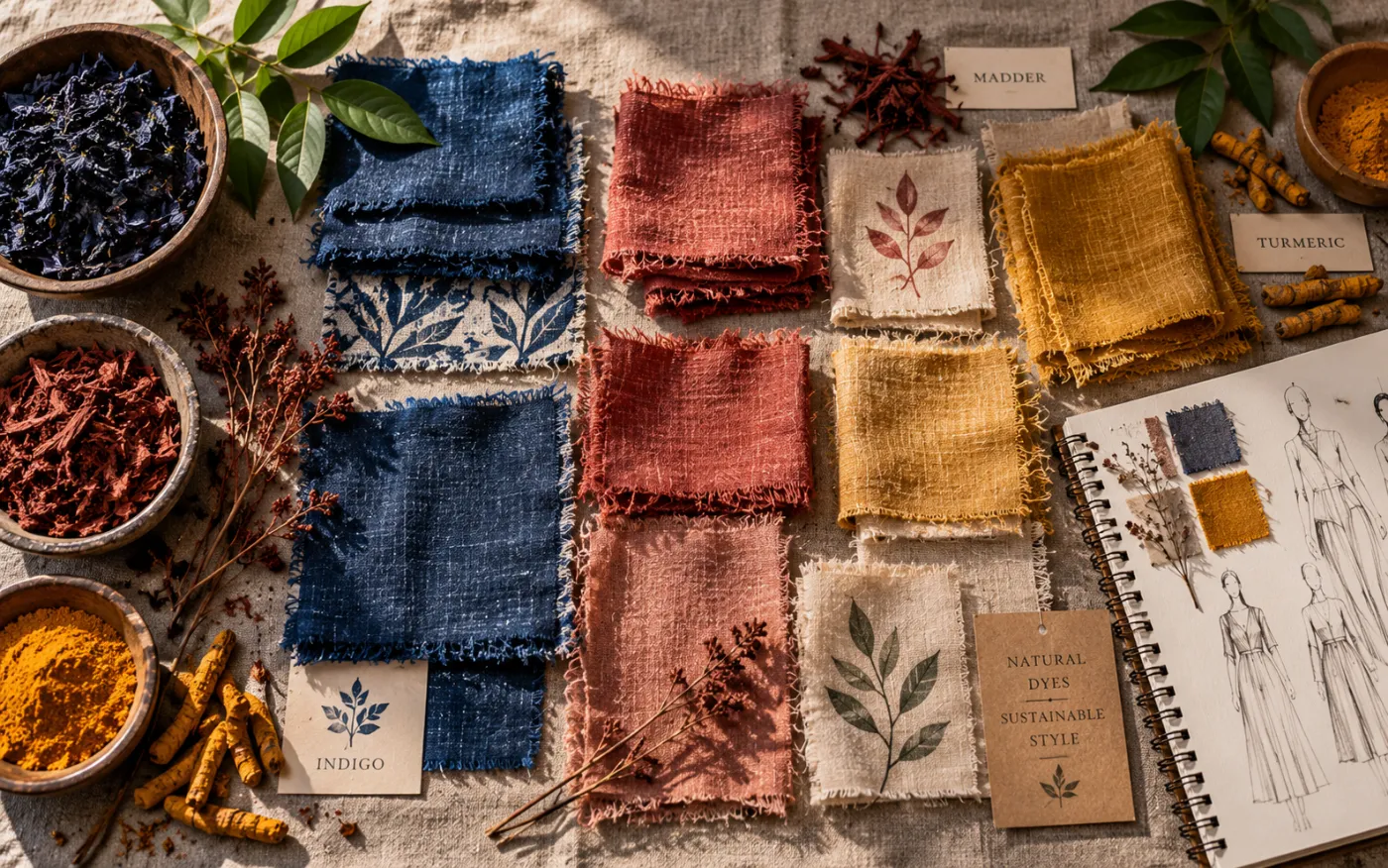
Natural-dye textile swatches laid out on linen
Sustainability

Fashion with Sustainable Style

Sustainability is no longer a capsule line. It is a supply-chain discipline — and a commercial advantage.

The sustainable capsule collection has quietly become a liability. It signals that the rest of the range is not, and international buyers have learned to read the signal.

The companies winning shelf space are treating sustainability as an operating standard: material substitution at the fabric stage, water and dye discipline at the finishing stage, and traceability documented well enough to survive a customer audit.

None of that is free. But it is cheaper than losing an account — and, increasingly, it is the price of entry for the European and North American buyers WFL introduces.

Front row and runway at a fashion week show
Shows

f-Week Fashion Week

Inside the format that merges a fashion week, a trade carnival and a championship into one live economy.

A traditional fashion week produces images. A trade fair produces orders. They rarely happen in the same building, and almost never in the same week.

The WFL format collapses that distance deliberately. The runway, the capability halls, the mediation desk and the summit stage all run inside one carnival — so a look that lands on Wednesday can have a costed production partner by Friday.

It is a harder event to stage. It is also the only version of the format where a young label leaves with something more durable than press.

Next Step

Get the next one first.

The WFL briefing goes out to members, exhibitors and delegates before it is published here.